Selected work / SEVEN Lab

Working archive · 2026

Design that earns attention, then makes it useful.

We build advertising identities, campaign systems and public-facing experiences that stay clear under pressure. This selection opens our working method through three self-initiated studies, not client commissions.

Mode
Strategy through rollout
Focus
Brand, campaign, experience
This selection
Three self-initiated studies
01

Selected studies

Three questions we chose to investigate.

SEVEN Lab is our space for testing how messages behave before a live brief sets the limits. Each study begins with an observed communication problem and ends with a reusable design principle.

3 concept studies shown

W–01

SEVEN Lab / Self-initiated concept

Signal / Night

An attention system for high-density media streets

Campaign systems

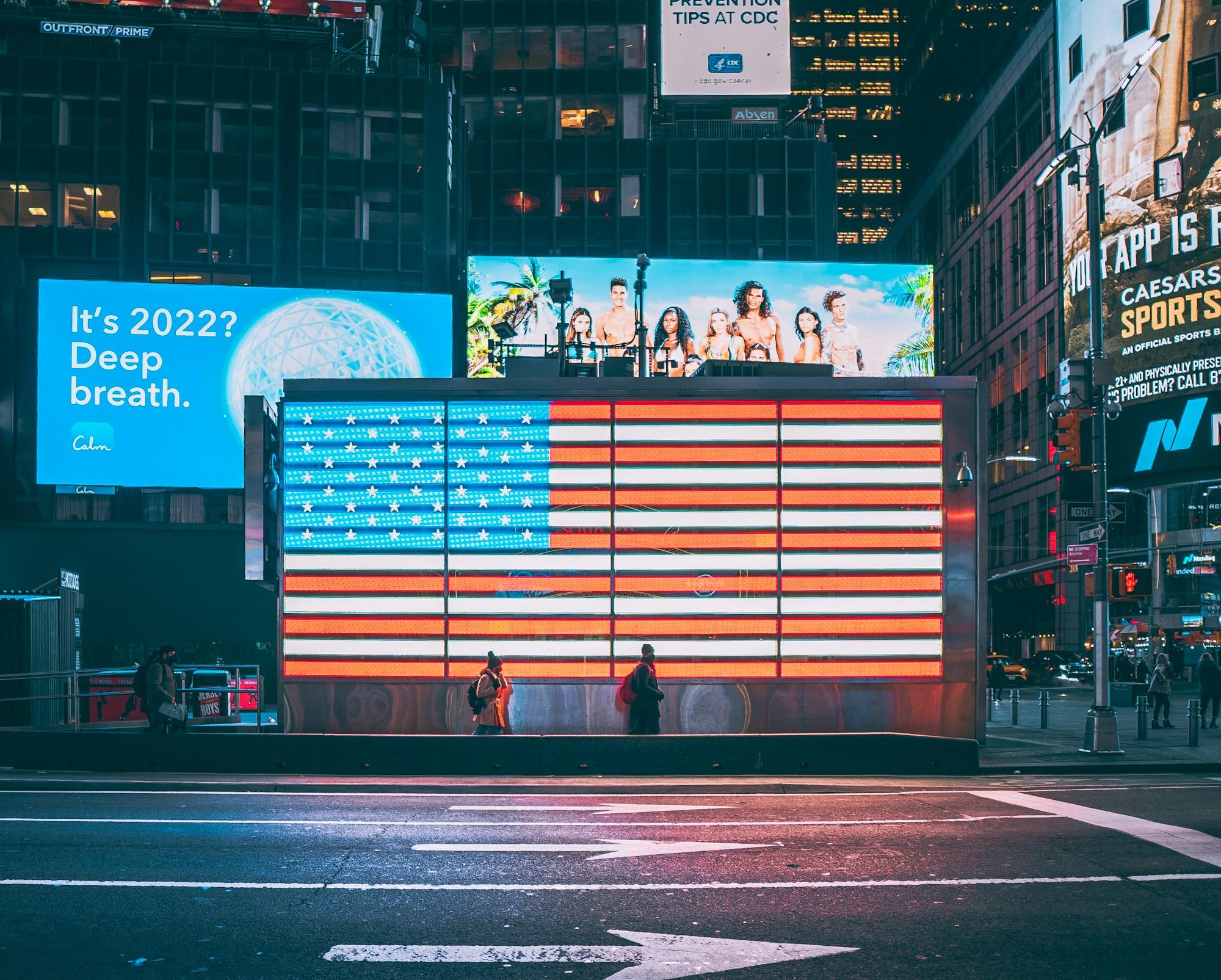
Night view of a crowded illuminated city crossing used as visual context for the Signal / Night concept study
Context study: competing light, scale and sightlines in a dense media district. Reference photography only; no pictured brand is a SEVEN client.

Question

How can one campaign hold its shape when every neighboring surface is competing to be seen?

Design response

We reduced the message to a fixed verbal beat, one electric-blue field and a motion rule that scales from a narrow sign to a building-sized screen. The system prioritizes sequence and silhouette before detail.

What we learned

Recognition begins in the interval between messages. A disciplined pause can create more distinction than adding another layer of movement.
W–02

SEVEN Lab / Self-initiated concept

Civic Pause

A public-message framework designed around a moment of calm

Public space

Large illuminated billboards in an urban square used as environmental research for the Civic Pause concept study
Environment study: public scale, street-level viewing and message density. Reference photography only; no pictured brand is a SEVEN client.

Question

Can a public message create breathing room without disappearing inside the noise of a commercial district?

Design response

The concept treats negative space as inventory. Short lines, generous timing and a consistent horizon let the message meet pedestrians at street pace rather than screen pace.

What we learned

Context changes meaning. The same line feels instructional, generous or invisible depending on dwell time, neighboring brightness and the height of the first readable word.

W–03

SEVEN Lab / Self-initiated concept

Open System 07

A flexible identity kit built for many hands and many formats

Identity systems

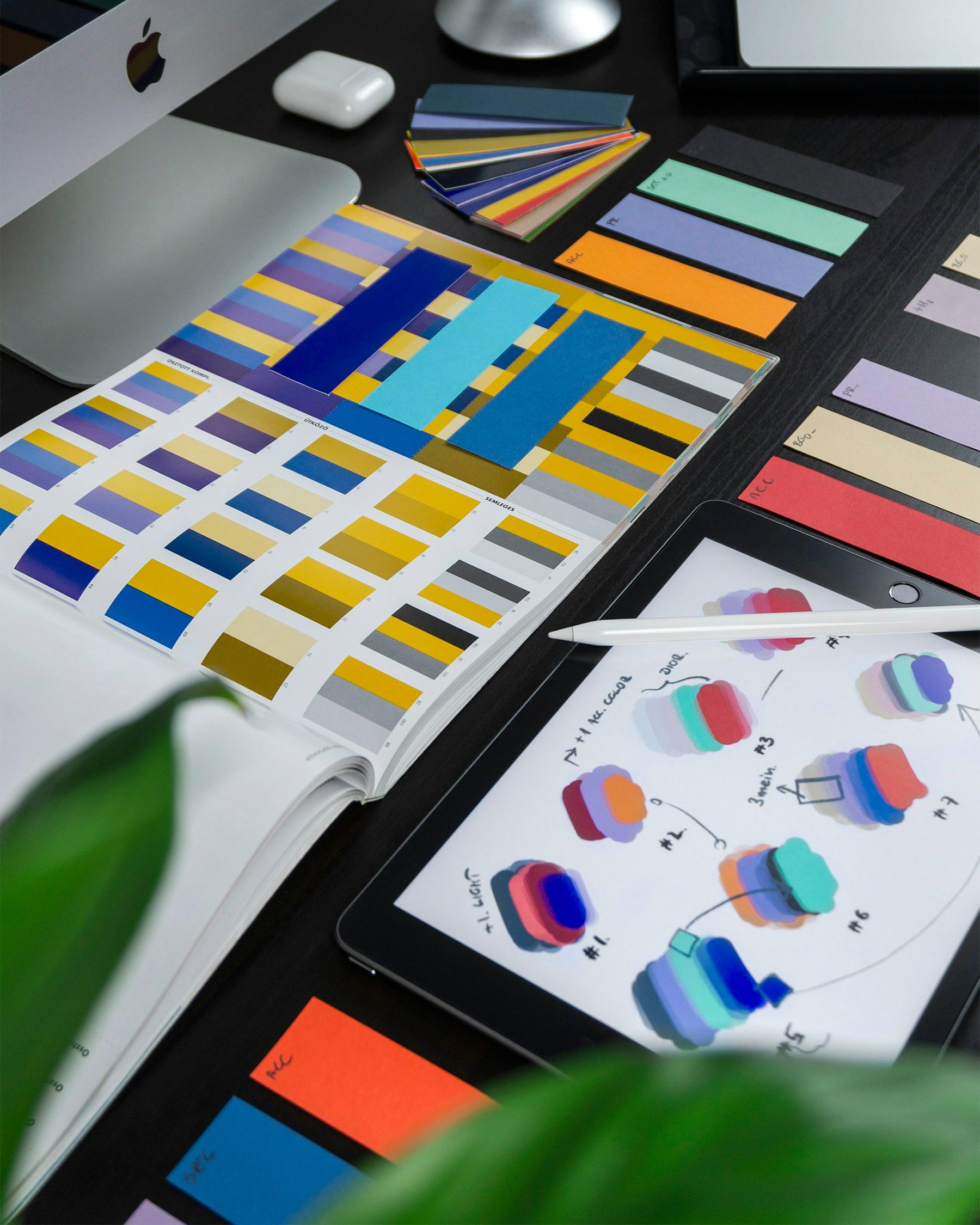
Color swatches, printed studies and interface sketches on a design desk for the Open System 07 concept study
Process study: testing color roles and composition logic across physical and digital surfaces. Self-initiated exploration.

Question

How much freedom can a campaign team have before an identity stops feeling like one recognizable system?

Design response

We defined a compact kit of color roles, crop logic, type hierarchy and composition states. Teams can make varied assets while every decision remains traceable to the same visual grammar.

What we learned

A useful guideline explains relationships, not just values. Naming when a rule may bend made the system easier to extend and easier to review.

Study notes / outcomes

These are learning outcomes, not performance claims. They show how each investigation sharpened a decision we can test again.

What the experiments changed in our working method.

01

Design the pause

Attention is temporal. We now map what appears immediately, what arrives second and what can wait, rather than asking every element to speak at once.

Resulting practice

Every early campaign route includes a three-beat recognition test: silhouette, message, source.

02

Prototype in place

A layout approved on a laptop can fail at a crossing. Environmental mockups help us evaluate distance, neighboring media, movement and dwell time while choices can still change.

Resulting practice

Reviews include the harshest likely context, not only the clean presentation frame.

03

Write rules for change

Consistency does not require identical outputs. A durable identity defines which relationships stay fixed and where teams have room to respond.

Resulting practice

Systems are documented through decisions and examples, including a clear exception path.

Project index / 01–03

A compact view of the archive.

Use the index to return to a study and compare its field, working output and status without losing the larger narrative.

  1. 01Signal / NightCampaign systemsMotion logic + message hierarchySEVEN Lab / Self-initiated
  2. 02Civic PausePublic spaceSpatial message frameworkSEVEN Lab / Self-initiated
  3. 03Open System 07Identity systemsVisual grammar + usage logicSEVEN Lab / Self-initiated

All three entries are exploratory SEVEN Lab concepts created by SEVEN YES INTERACTIVE INC. Imagery is used as design context; inclusion does not imply a client relationship with any brand visible in a photograph.

Working principles

A campaign should survive the real world.

Our work is judged in motion, in translation, at awkward sizes and alongside everything else asking for attention.

  1. 01

    One clear idea

    Build the system around a thought people can repeat, not a collection of treatments.

  2. 02

    Context before polish

    Test where the work will live while the fundamental choices are still open.

  3. 03

    Variation with memory

    Create enough range for a campaign to move while protecting what makes it recognizable.

  4. 04

    Useful handover

    Leave teams with decisions they can understand, apply and extend after launch.

Your brief / our next question

Bring us the problem that still feels unresolved.

Start a project